


Trump’s 200% Tariff Plan on Generic Drugs
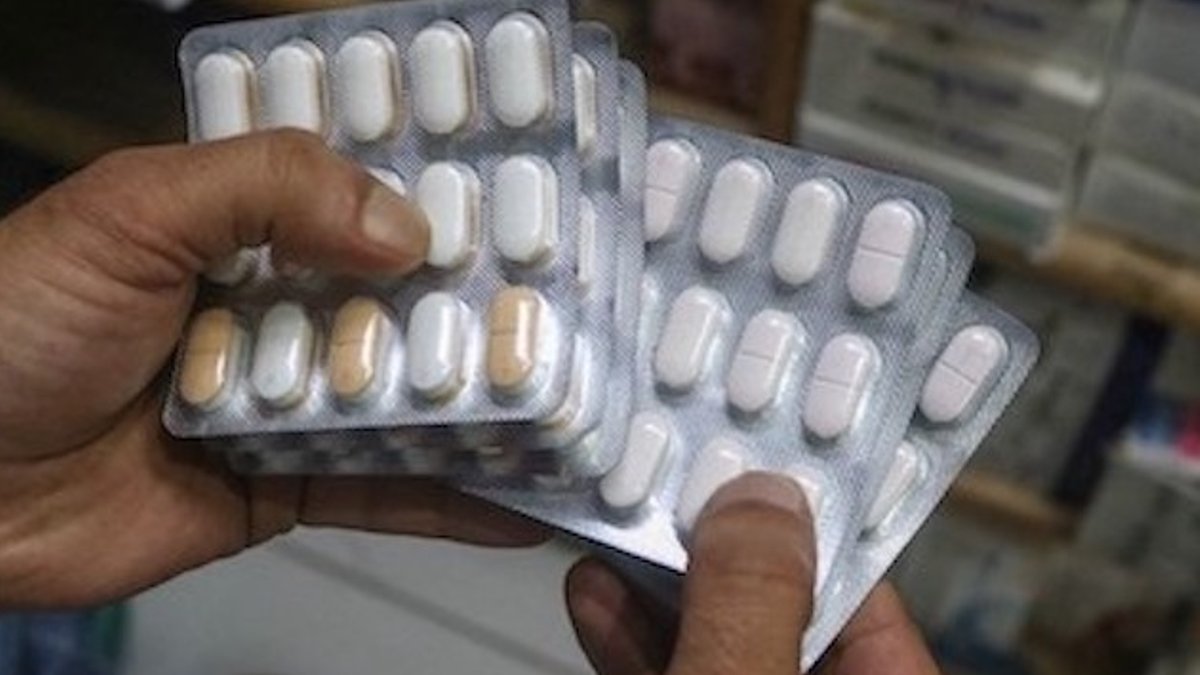
US President Donald Trump’s announcement of massive tariffs on generic drugs imported from abroad poses a serious threat to pharmaceutical manufacturers in India. The plan calls for a phased-in tariff structure starting August 1, with a two-year grace period before a 100% tariff is implemented in 2028 and a subsequent 200% levy the following year. The goal is clear: to encourage domestic production of generic medicines in the United States.
The phased-in tariff arrangement has been detailed by the administration, offering a two-year window that begins August 1. This period allows importers to adjust to the new economic reality before steeper penalties kick in.
Pharma Ban on the Horizon for India
The news has gone down poorly in India, which is the largest exporter of generic drugs to the US. Nearly 40% of all generics consumed in the country are reported to come from the South Asian nation. This heavy reliance means the potential economic fallout is significant.
Indian companies exported $9.7 billion worth of pharmaceutical drugs to the US last year, according to the Global Trade Research Initiative. The impact of this move would vary across product categories, but the sheer volume of trade stands in stark contrast to the policy’s intent to shift supply chains.
Related: EU fines AliExpress $603 million over illegal goods
Even some of India’s top pharmaceutical companies, such as Sun Pharma, Zydus Lifesciences, Dr Reddy’s Laboratories, Cipla, Lupin, and Aurobindo, already have manufacturing plants in the US. However, the administration has been pushing these firms to build more facilities domestically to avoid the high costs associated with the new tariffs.
A Costly Relocation for Manufacturers
Industry sources indicate that moving entire production lines to the US would be expensive for many companies. This is largely because these drugs are typically sold with very narrow profit margins, leaving little room for increased operational costs.
About 70% of active pharmaceutical ingredients (APIs) and 90% of biologic inputs come from China. Without a robust domestic API manufacturing base, Indian firms face a complex logistical challenge. The proposal creates a scenario where companies must choose between paying prohibitive tariffs or investing billions to relocate plants that were previously optimized for lower-cost manufacturing.
While the policy aims to reshore manufacturing, the logistics of shifting entire supply chains and construction timelines present a massive hurdle. Moving production isn’t just about opening a factory; it involves undergoing complex regulatory approvals and establishing new raw material sourcing channels. These steps could delay the benefits for years.


